
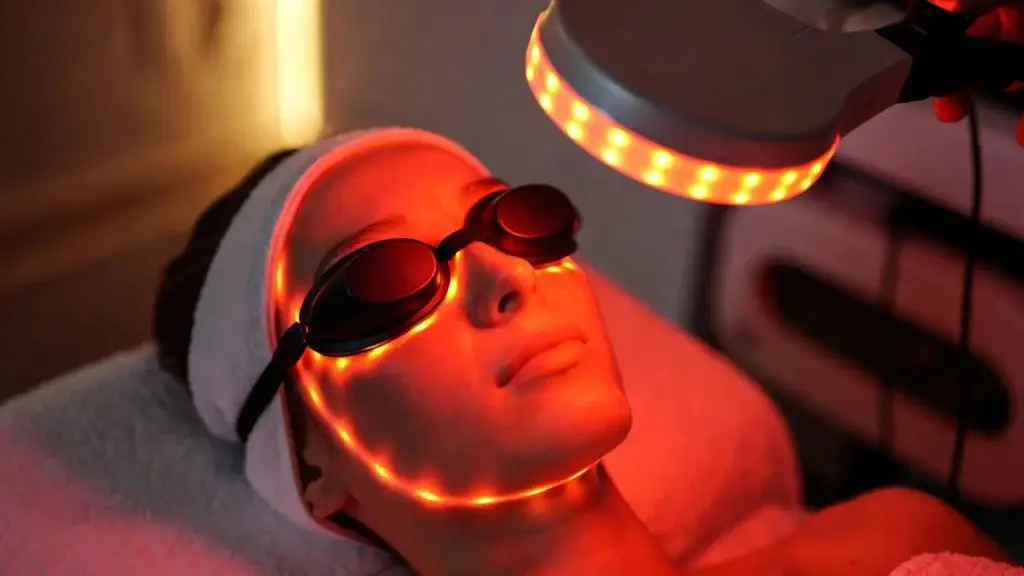
Red light therapy (RLT) has become a rising trend in wellness and dermatology, especially among people looking for non-invasive ways to support skin health, hair growth, muscle recovery, and mood. The method is known as photobiomodulation, and it uses specific wavelengths of red and near-infrared light to influence how cells produce energy.
The core idea behind red light therapy is simple: when exposed to certain types of light, cells in the body work more efficiently. This makes the treatment popular both in clinical settings and in at-home devices, from facial masks and handheld wands to full-body therapy panels. Red Light Therapy Benefits
How Red Light Therapy Works
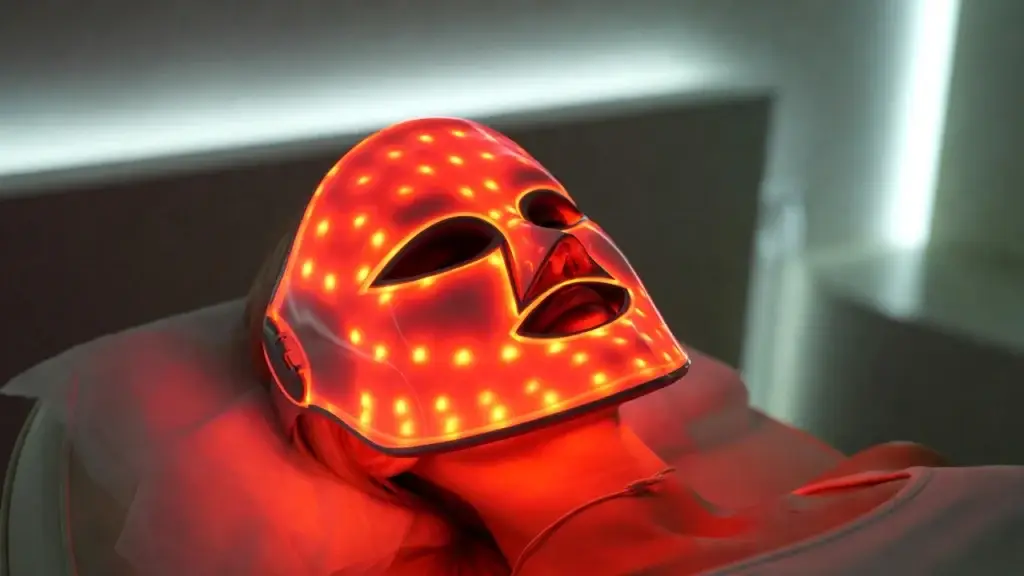
Under the surface of the skin, cells contain structures called mitochondria, often described as the “powerhouse” of the cell. When red or near-infrared light reaches these mitochondria, they absorb the light particles (photons) and increase energy production in the form of ATP.
This improvement in cellular energy can reduce oxidative stress, support repair, and improve circulation. Red wavelengths typically affect the upper layers of skin, while near-infrared light can reach deeper tissues, which may be useful for muscle soreness or joint discomfort.
Common Uses and Benefits
1. Skin Health & Anti-Aging
Red light therapy is frequently used for skincare because it supports collagen production, helps smooth fine lines, and improves texture over time. Many users also report improvements with acne, rosacea, eczema, and similar skin concerns, thanks to reduced inflammation and better healing.
2. Pain & Inflammation Relief
Athletes and people with chronic pain often use RLT to reduce muscle soreness, joint stiffness, or inflammation from conditions like arthritis. It doesn’t replace medical treatment, but it may complement recovery routines.
3. Hair Growth & Thickness
Research suggests that consistent exposure to red light may stimulate hair follicles in people experiencing androgenic alopecia, helping with thickness and regrowth.
4. Wound Healing & Tissue Repair
Because it encourages cell repair and circulation, RLT can support minor wound healing and damaged tissues.
5. Mood, Stress & Sleep Support
Some studies indicate that red light therapy may improve sleep quality and mood regulation, possibly by influencing circadian rhythms and hormones, though more research is needed.
What to Expect from a Session
Red light therapy is painless and doesn’t involve surgery or chemicals. Sessions typically last 10–20 minutes, and results depend heavily on consistency. At-home devices are more convenient but often less powerful than professional systems in clinics, salons, or dermatology offices.
The Benefits of Red Light Therapy: How It Helps Your Skin, Hair, and Recovery
Things to Keep in Mind
Research on red light therapy continues to evolve, especially regarding long-term effects and new applications. Most benefits are gradual, and expectations should stay realistic. Anyone with existing medical conditions, skin disorders, or who uses photosensitive medications should talk to a healthcare provider before starting RLT. Red Light Therapy Benefits
The Benefits of Red Light Therapy: How It Helps Your Skin, Hair, and Recovery 2026
Discover how red light therapy supports skin health, hair growth, muscle recovery, and mood by boosting cellular energy. Learn how it works, who uses it, and what to expect.