
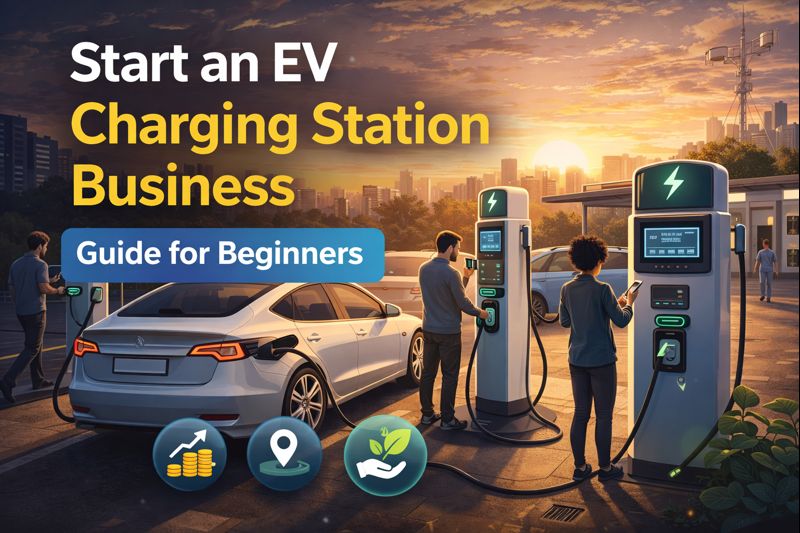
The global shift toward electric vehicles is no longer a future prediction its happening right now As EV adoption accelerates one major opportunity is emerging for entrepreneurs investors, and property owners the EV charging station business. With governments supporting clean energy and drivers demanding convenient charging access, starting an EV charging station business can be both profitable and future-proof.ev charging station business
This guide breaks down everything you need to know — from planning and funding to technology, revenue models and long term growth
What Is an EV Charging Station Business?
An EV charging station business involves installing, operating, and maintaining electric vehicle charging infrastructure for public or private use. These stations can be located at malls offices highways apartments hotels parking garages or commercial properties
Why the EV Charging Market Is Growing Fast
- Rising electric vehicle adoption worldwide
- Government incentives and grants
- Corporate sustainability goals
- Demand for fast and reliable charging infrastructure
This combination makes EV charging one of the fastest-growing green business opportunities today
Types of EV Charging Stations Explained
Understanding charging levels is crucial before entering the business.
Level 1 Chargers
- Uses standard household outlets
- Slow charging (8 -20 hours)
- Best for residential use
Level 2 Chargers
- Common in commercial and public locations
- 3–8 hours charging time
- Most popular for businesses
DC Fast Chargers
- High-speed charging (20 – 45 minutes)
- Ideal for highways and urban hubs
- Higher installation cost, higher revenue potential
EV Charging Station Business Models
There’s no one size fits all approach Choosing the right business model depends on your location budget and goals
Pay Per Use Model
Drivers pay per kWh or per session. This is the most straightforward and widely used model.
Subscription-Based Charging
Monthly plans for frequent users such as fleet operators or apartment residents.
Free Charging + Indirect Revenue
Businesses like malls or hotels offer free charging to attract customers and increase dwell time.
Fleet & Workplace Charging
Dedicated charging for company vehicles or employees, often with private access
Step-by-Step Guide to Starting an EV Charging Station Business
Step 1: Market Research & Location Analysis
Location determines profitability. Look for:
- High EV traffic areas
- Limited nearby chargers
- Long parking duration spots
- Urban centers or highways
Step 2: Understand Legal & Regulatory Requirements
Permits, zoning approvals, electrical compliance, and safety standards vary by region. Always consult local authorities before installation.
Step 3: Funding Your EV Charging Station Business
Government Grants & Incentives
Many countries offer subsidies to encourage EV infrastructure development.
Private Investment & Partnerships
Partner with property owners, municipalities or commercial landlords
Self-Funding
Smaller Level 2 installations can be bootstrapped with moderate capital
Choosing the Right EV Charging Hardware & Software
Hardware Considerations
- Charger speed (Level 2 vs DC Fast)
- Weather resistance
- Durability and warranty
Software & Network Management
Smart charging software helps you:
- Monitor usage
- Set pricing
- Handle payments
- Provide mobile app access
Reliable backend software is essential for scaling operations
Installation & Maintenance Costs
Estimated Costs Breakdown
- Level 2 Charger: $2,000 – $6,000
- DC Fast Charger: $25,000 – $100,000+
- Electrical upgrades & labor
- Ongoing maintenance & electricity costs
While upfront costs can be high, long-term returns improve as EV adoption grows
How Much Can You Earn From an EV Charging Station Business?
Revenue depends on:
- Charger utilization rate
- Pricing strategy
- Location demand
- Charger speed
High-traffic locations with fast chargers can generate consistent monthly income, especially when paired with subscription plans or partnerships
Challenges You Should Be Aware Of
Infrastructure Limitations
Grid capacity upgrades may be required.
Competition
Urban areas are becoming competitive location selection is key.
Technology Evolution
Charging standards evolve quickly, so future-proof hardware matters
The Future of the EV Charging Station Business
The EV charging industry is expected to grow exponentially over the next decade. Trends include:
- Ultra-fast chargers
- Wireless EV charging
- Smart grid integration
- Renewable energy-powered stations
Early movers who build scalable, well-located charging networks will have a major advantage
Final Thoughts
Starting an EV charging station business is more than just installing chargers it’s about building infrastructure for the future of transportation. With the right planning, location, technology, and funding strategy, this business can deliver both financial returns and environmental impact
If you re looking for a sustainable business opportunity aligned with global trends, EV charging stations are worth serious consideration.
How to Start an EV Charging Station Business: A Complete Beginner’s Guide ev charging station business
EV charging station business
electric vehicle charging business
EV charging infrastructure
start EV charging station
EV charger installation